When Should My Child See an Orthodontist?
A great time for a child’s first orthodontic evaluation is around age 7. This does not mean that every child needs braces at age 7. Rather, this is the stage when the first permanent molars and incisors are typically erupting, which allows us to evaluate how the bite is developing while there is still meaningful growth remaining.
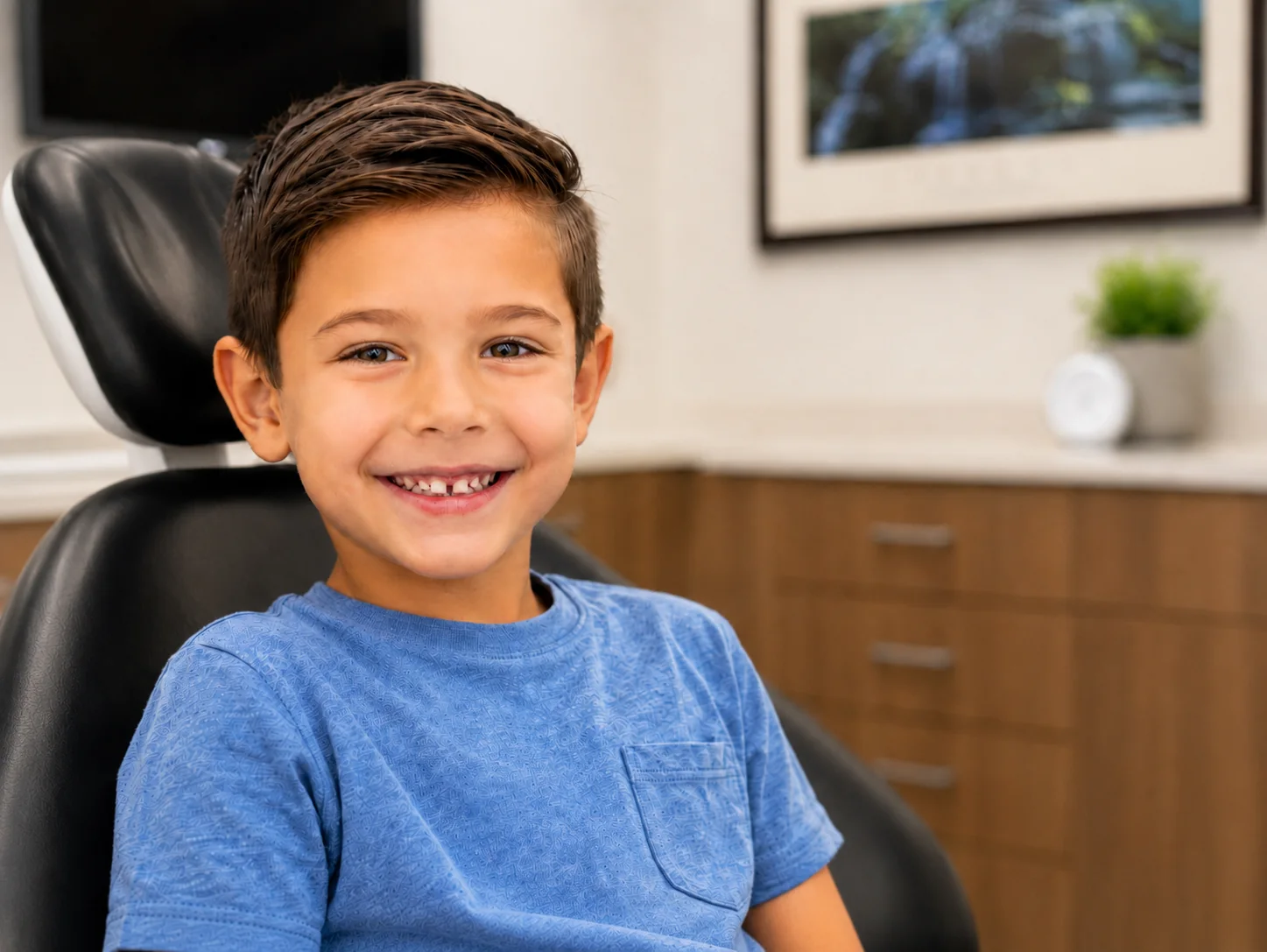
At Graf Orthodontics, we evaluate several key aspects of growth and development, including the relationship between the upper and lower jaws, the amount of dental crowding or spacing, the eruption pattern of the permanent teeth, and how the front and back teeth fit together. We also look for signs that the bite may be causing tooth wear, gum irritation, or a functional shift of the jaw.
Some concerns are easier to identify early, including crossbites, underbites, excessive overjet, deep bites, open bites, severe crowding, abnormal eruption patterns, and oral habits such as thumb or finger sucking. We also pay attention to airway-related concerns, such as chronic mouth breathing, because these patterns can be associated with changes in jaw growth, dental development, and facial muscle function.
In many cases, the best recommendation is simply observation. Not every developing bite problem requires immediate treatment. Often, we monitor growth, tooth eruption, and jaw development over time so treatment can begin at the most appropriate stage—not too early, and not too late.
When early orthodontic treatment is recommended, it is usually because there is a specific developmental problem that can be improved while the child is still growing. Examples include expanding a narrow upper jaw, correcting a crossbite, creating space for crowded or blocked-out teeth, guiding jaw growth, improving an underbite, or reducing excessive protrusion of the front teeth.
Early treatment may also reduce the risk of trauma to prominent front teeth and, in some cases, simplify future comprehensive treatment with braces or aligners. The goal is not just to create a nice smile early, but to support healthier jaw development, better bite function, and a smoother path toward the final result.
If you are unsure whether your child should be seen, that is exactly what a complimentary consultation is for. We will evaluate your child’s growth and bite, answer your questions, and give you a clear recommendation based on their individual needs.