Why Retainers Matter After Orthodontic Treatment
Finishing braces or aligners is an exciting milestone, but it is not the end of orthodontic care. Teeth are supported by living bone, periodontal ligaments, and gingival tissues, all of which need time to adapt after tooth movement. Even after the treatment ends, these tissues continue to remodel and stabilize around the new tooth positions.
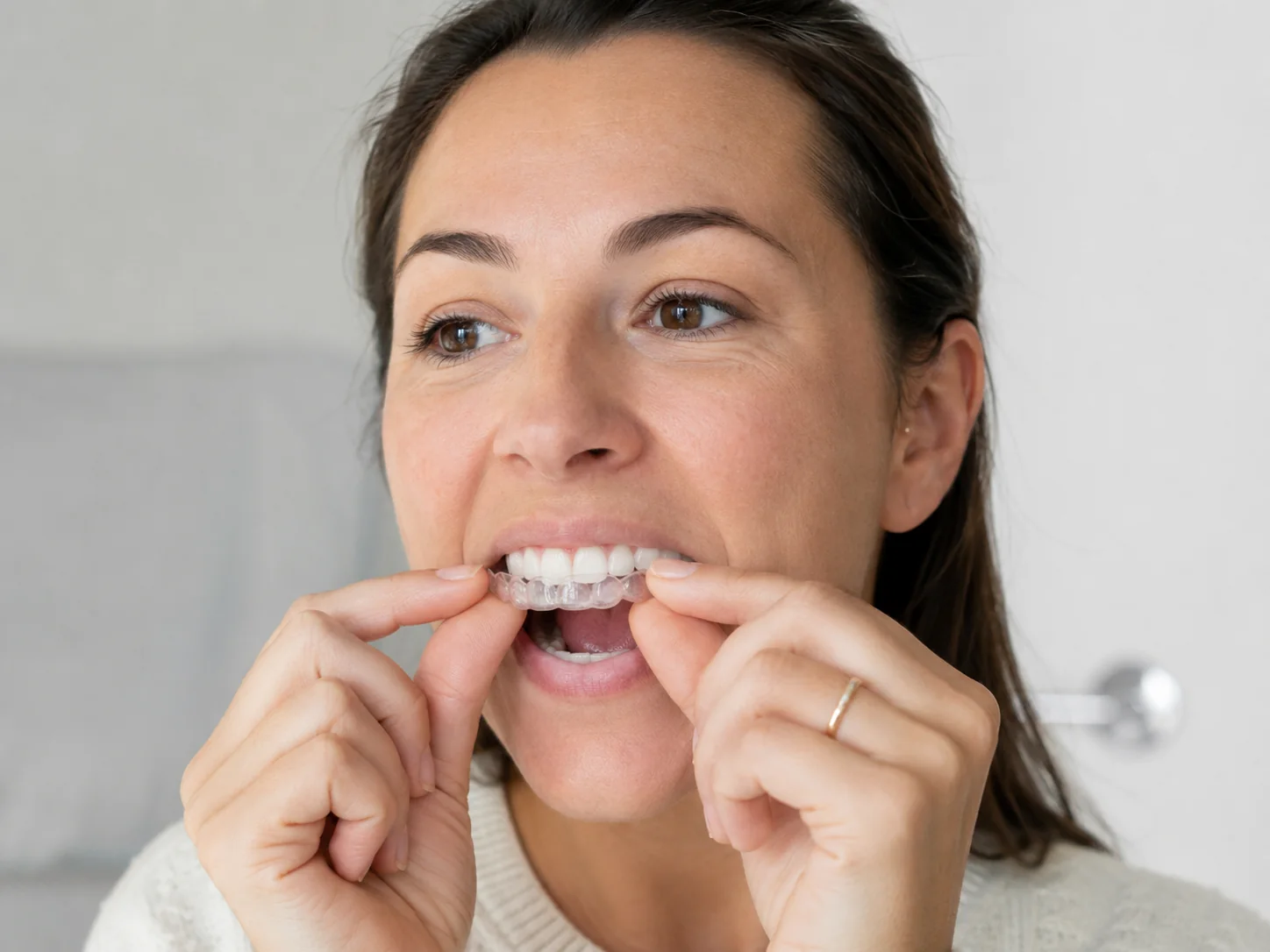
That is why retainers are so important. Retainers help maintain that perfect smile while the bite settles and the surrounding bone and gums reorganize. The first several months after orthodontic treatment are especially important because teeth are more susceptible to moving back to where they started if retainers aren’t worn.
Retainers also help preserve the small details that make your Graf smile unique and beautiful, including midline alignment, tooth rotations, spacing closure, and the broadness of your smile.
How much should you wear them? Many patients begin with a more consistent wear schedule and then transition to nighttime wear. If you are ever unsure, ask us. In most situations, wearing your retainer more consistently is safer than wearing it less. After initial full-time wear of two months, you need to commit to retainer wear at night-time for a lifetime till death do you part.
Common reasons retainers are lost or damaged are simple: they are left on a lunch tray, wrapped in a napkin, placed loose in a pocket, or tossed into a backpack. Believe it or not, dogs often eat retainers so keep them in a safe and secure spot if you have pets. A hard retainer case is the best way to protect your retainers. If your retainer is not in your mouth, it should be in its case.
Cleaning matters too. Use cold water and a soft toothbrush and avoid hot water because it can distort some retainer materials. If you notice odor, buildup, or discoloration, let us know so we can recommend a cleaner that is safe for your specific retainer type.
If your retainer starts to feel tight, does not fully seat, or feels different than usual, do not ignore it. This may mean that some tooth movement has occurred. Contact us as soon as possible. Small changes are often much easier to address when they are caught early.